Immerse your home in music to create a relaxed and happy space that will not only banish the winter blues but inspire you to make music all year round.
A musical home environment is a great long-lasting gift to give you and your family. Making music is not only uplifting but will help you tap into a powerful way of expressing emotion, de-stressing and having fun. Music boosts brain power and improves health too.
Here are some easy ideas to turn your house into a musical home.

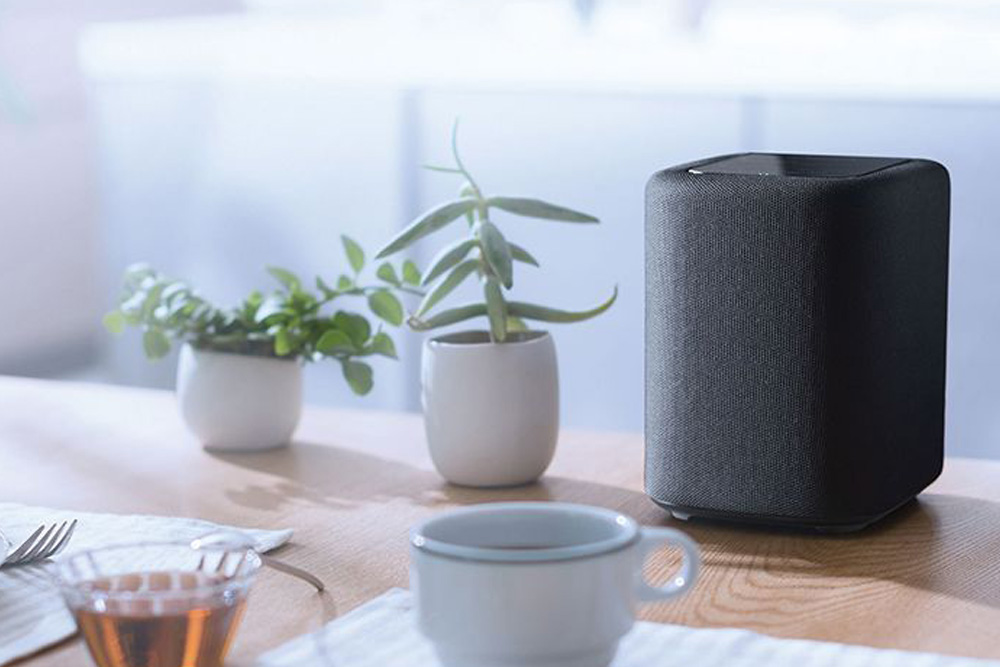

Have music of all kinds playing around you every day you're at home. Thanks to today's smartphones, tablets and smart speakers, it's never been easier to stream or download tracks or to create your own playlists on Apple Music, Spotify or Amazon Prime Music, full of different genres from across the world.
If you have children, aim to include a wide selection of folk, classical, blues and early rock n’ roll. This exposes your children to a variety of different musical styles and they'll begin to develop their own musical tastes.

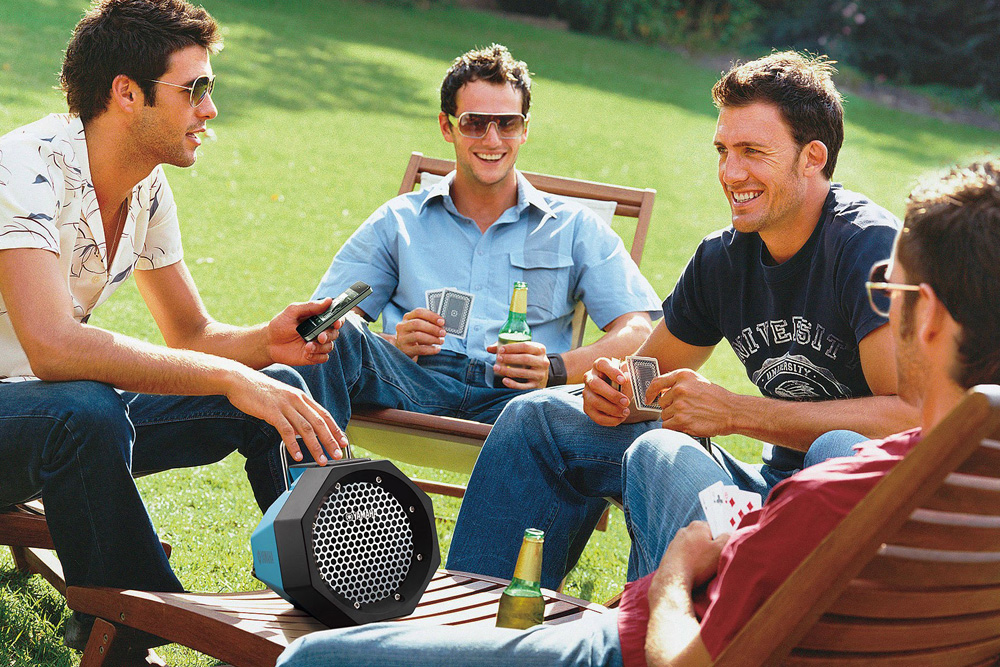
It is never too early to start as children’s intellectual skills begin to develop at an early age. Begin with nursery rhymes, musical sounds and rhythms. Listen to music with your child. Ask questions and interact with your child. How does it make you feel? What colour does this music make you think of? What does the music make you imagine? Dance together, move to the beat of the music to help your child understand basic rhythms and melodies.
Having children provides a wonderful reason for you to expand your musical horizons too.



If your child has just started to learn to play an instrument at school, you can encourage them by helping to create a musical space of their own at home - ideally somewhere with enough privacy for them not to feel self-conscious when practising (kids are just as aware as adults how tedious scales can sound, or how piercing not-quite-mastered violin playing can be) but close enough for you to see or hear that they are practising.
As your children become teenagers, expand that area and make your whole home a place where they feel comfortable and happy to play, so that they prefer playing in the company of their family.
For adults, a private, dedicated musical space can be just as important - as adult learners, we can be even more self-conscious than children - so a spare room, office or attic can help you build confidence in your own time before practising in ear-shot of your partner or children.
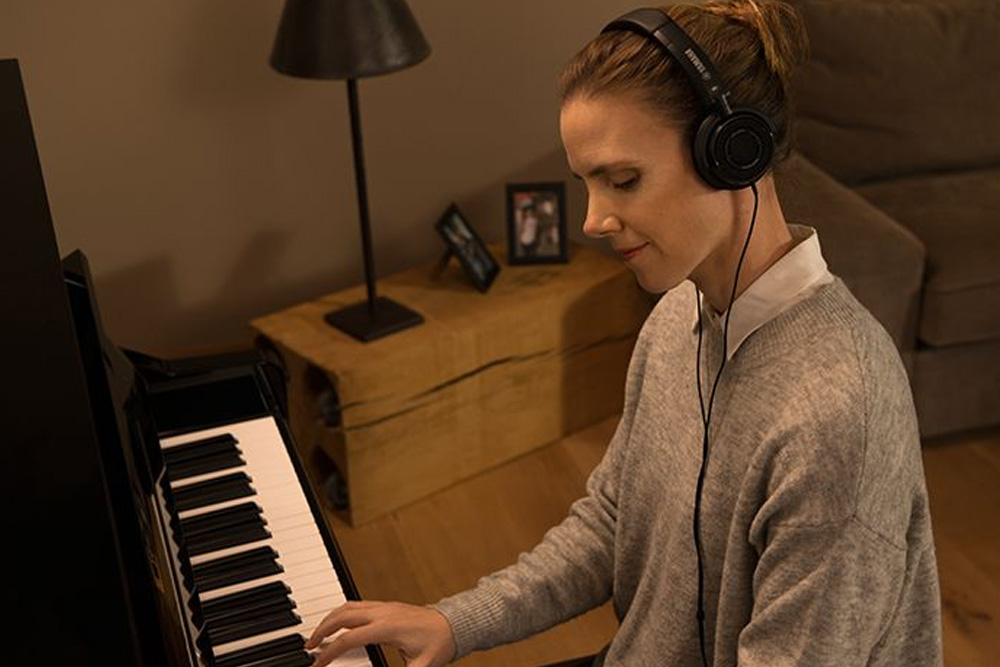
If space is at a premium try to clear a corner or alcove, under the stairs or in the garage. Anywhere, as long as it is warm, comfortable, safe and easily accessible. And, when space simply doesn't allow for physical separation, adults learning piano/keyboard, guitar, violin, cello, drums or one of a number of brass instruments can opt for a Yamaha Silent version of that instrument - allowing you to play using headphones inaudibly to your family.

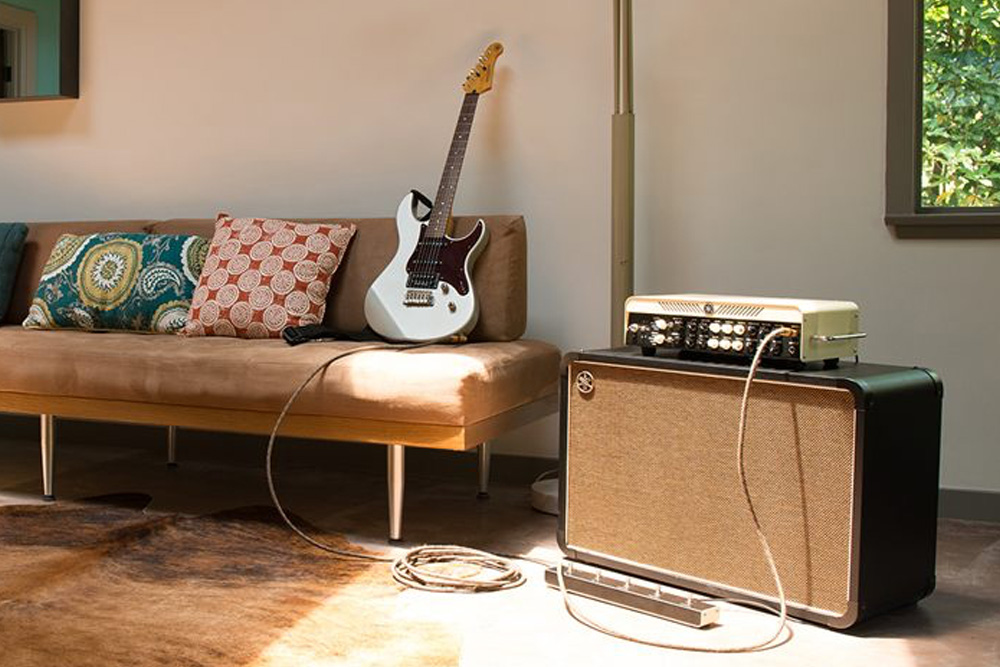
We're not suggesting you apply for local licensing or start your own ticketing website quite yet. But music is so often more enjoyable when played with friends; it's a great way to interact and socialise.
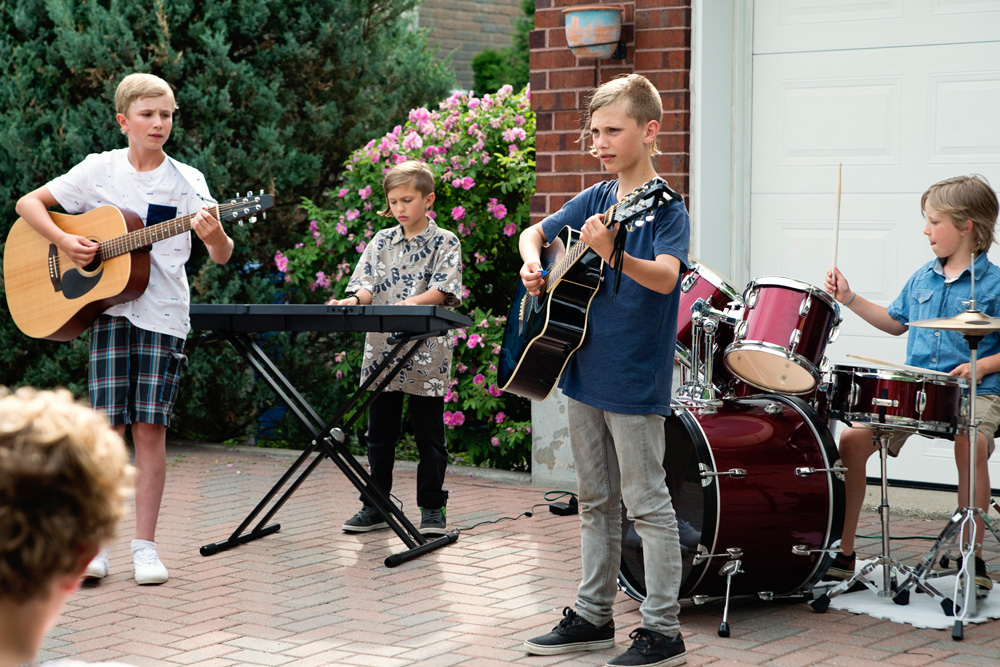
If you have younger children, encourage friends and family to come over and share in music-making sessions. The sessions can be informal get-togethers but still give your children the opportunity to become confident and discover the joy of making music with others. Ultimately, it will help your child to socialise and - if you have extra instruments or your friends bring theirs along, everyone can join in and have fun.
For parents with older children, simply welcoming your teenagers' friends to hang out at your place can be enough, so that they are comfortable playing music and jamming together. You'll be able to keep a discreet eye on your teens whilst their friends think you are the coolest parents in the neighbourhood.
For adults too, jamming, rehearsing and writing music with family, friends, neighbours and work colleagues can be hugely rewarding both socially and musically.
And, thanks to the remarkable progress of recording technologies, our homes can instantly become recording studios when you're ready to capture your playing.


Ssssh! Depending on the volume level when you practice, you may find yourself on the receiving end of some neighbourly 'feedback' shall we say, and it’s probably all down to the noise level rather than an affront to your playing.
A recent court case in London ruled that playing a piano is considered normal domestic use of a family home and that play is an absolute entitlement. This decision means that any musician has the right to play or practice their instrument at home at reasonable times of the day and for reasonable periods – in this case, the judge considered five hours a day to be reasonable. But many of us would rather avoid those conversations, or only have time during 'unreasonable' hours of the day to practice.
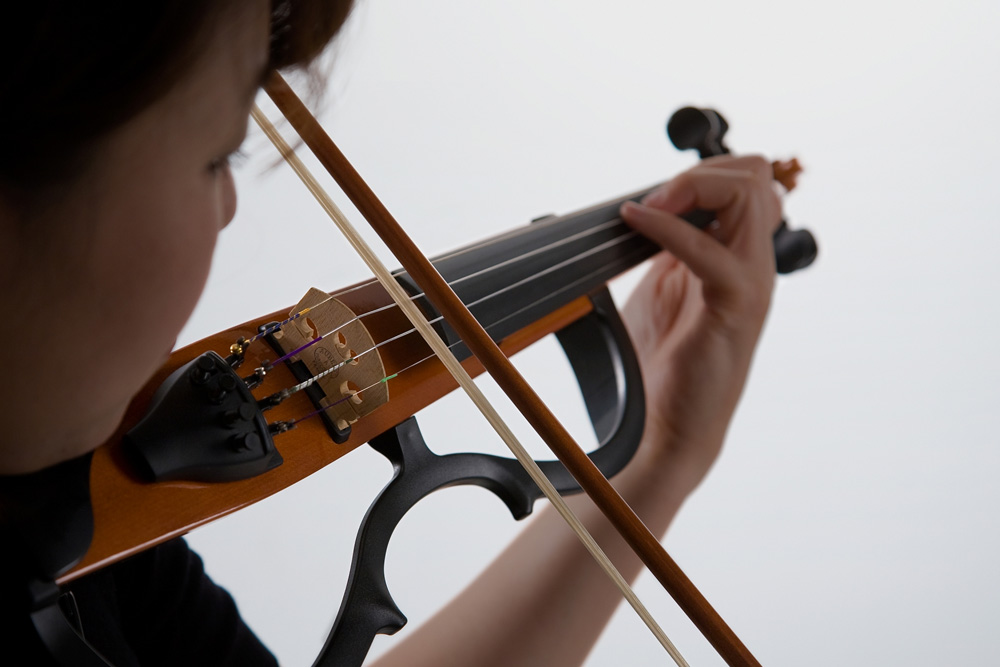
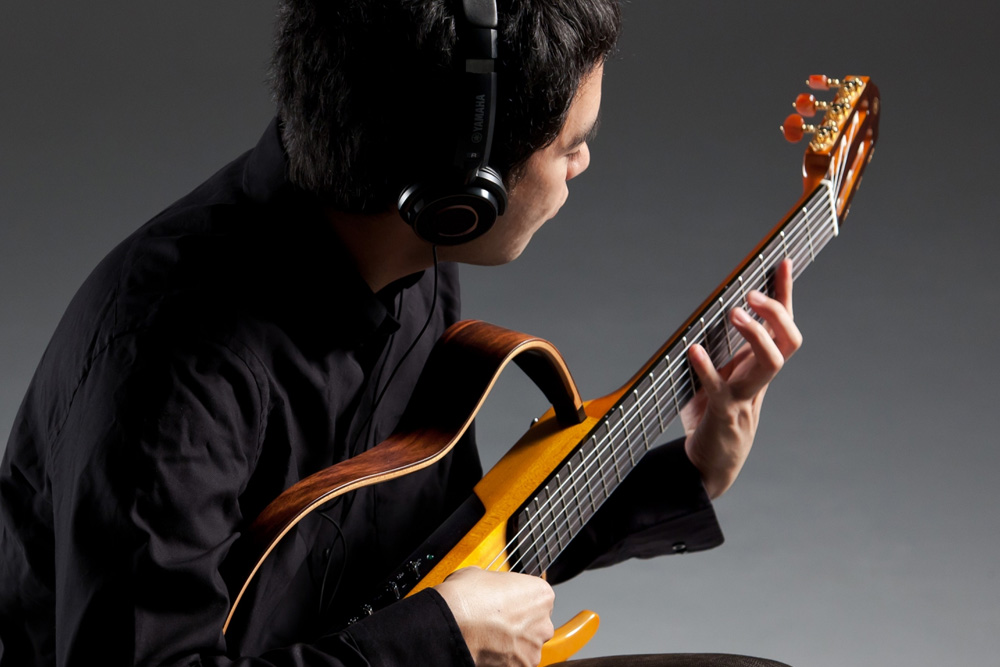
If so, don't sound proof your music room just yet! Thanks to our award-winning Silent Technology, there's probably no need to worry about disturbing the neighbours. Yamaha Silent instruments allow brass players, drummers, violinists, guitarists, pianists and keyboard players of all abilities to play using headphones or earphones. As the player, you'll hear a perfectly natural tone; to those around you, only a whisper will be heard.
This means you can play whenever suits you, without your neighbours hearing a thing.
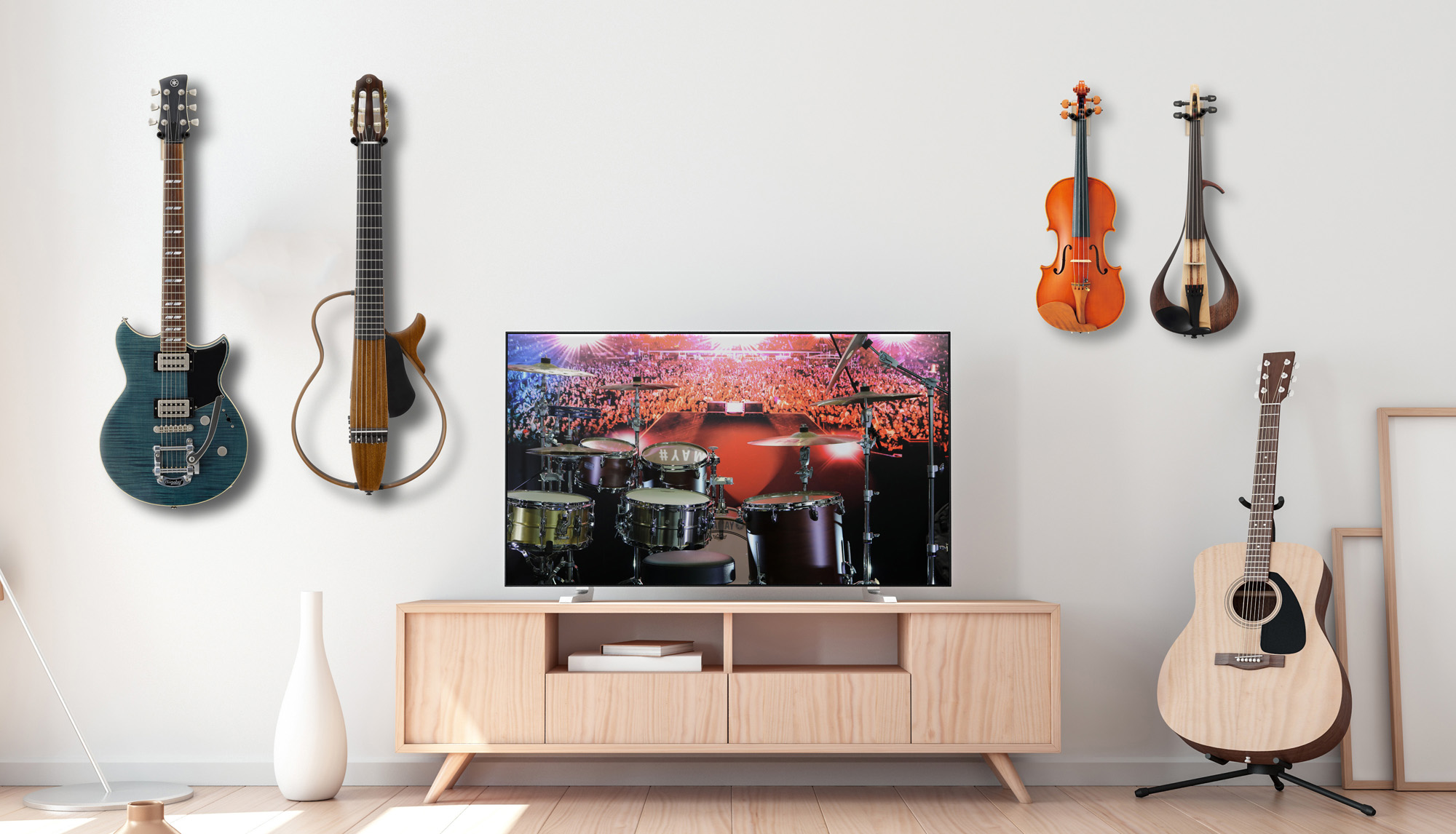
As you and your family develop your love of playing music, the household collection of instruments inevitably increases - and for most of us, that means guitars, amps, effects pedals, keyboards and other instruments either inaccessibly packed into their cases and stored in a cupboard or wardrobe, or a myriad of instruments lying around taking up valuable living space. Having to choose between floor space and quickly being able to grab your guitar when inspiration strikes isn't conducive to music-making.
As instrument makers, we work hard to ensure our instruments look as good as they sound. So why not reclaim that livingspace whilst still having your favourite axe to hand by displaying your instruments with pride? Here are a few ways you can easily integrate your instruments into your home...
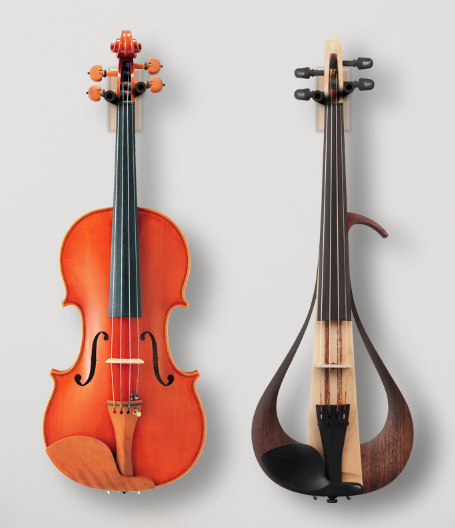
Whether yours is a traditional acoustic violin or a cutting-edge Silent or electric model, you can put your violin or voila into the spotlight by mounting it on a wall - making it a work of art in its own right.
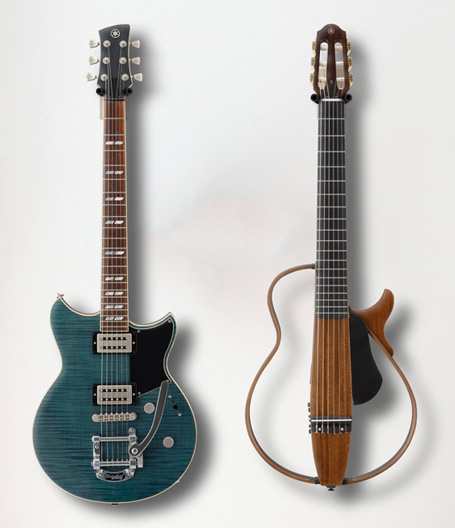
We're super-proud of our guitar finishes. From the stunning Japanese Denim finish of our Revstar RS720B Electric Guitar, to the detailed inlay work of our GC42 Classical Guitar, guitars look best either on stage or displayed on a wall, just an arm's length away.

Keyboards inevitably take up some floor space - the trick is to make it floor space that's nearby but won't be missed. A spare corner or section of wall will often suffice - but if space allows, have your keyboard stool between the wall and keyboard, so that you're facing towards the rest of the room when you play.
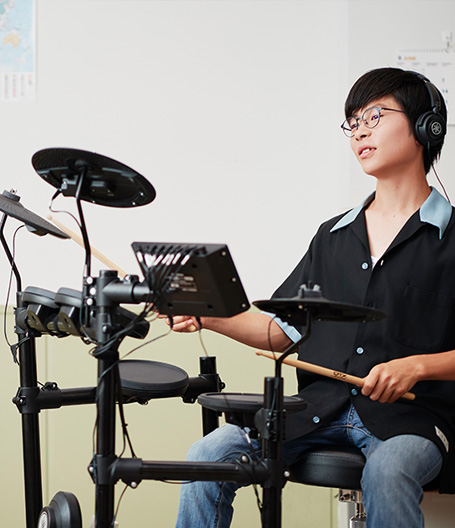
DTX kits such as our DTX402, have small footprints and can be easily set up in a bedroom. Thanks to their Silent Technology, drum practice won’t disturb the rest of the family or the neighbours.
If you are short of floor space consider raising your bed loft style and setting up your kit underneath.
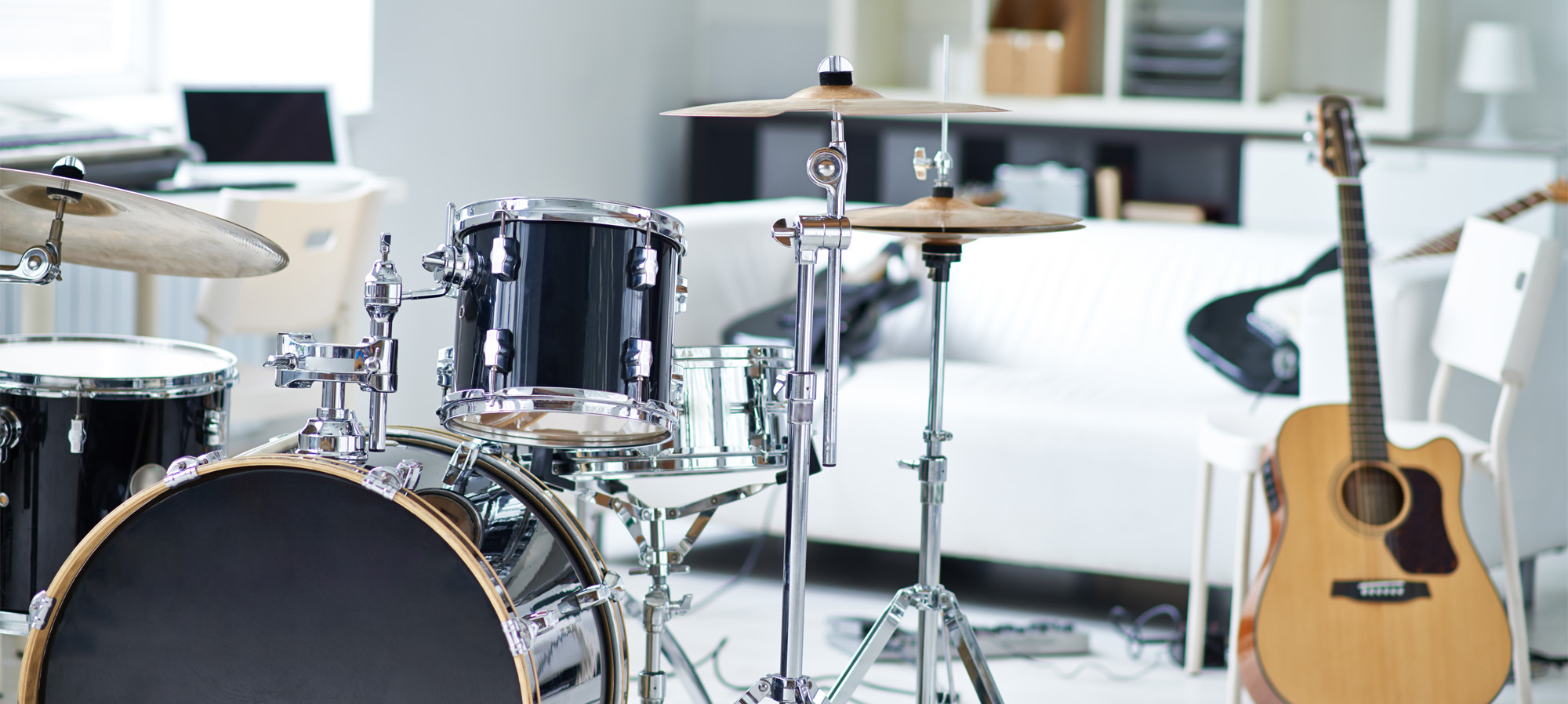
The chances are that there won't be just one type of musical instrument at home - many musicians actively seek out new instruments to play and non-playing family members are often inspired to start playing themselves.
This culminates in a wide range of instruments being at home - so why not keep all the household's instruments in one room or area of the house, ready to jam with whenever the mood grabs you.