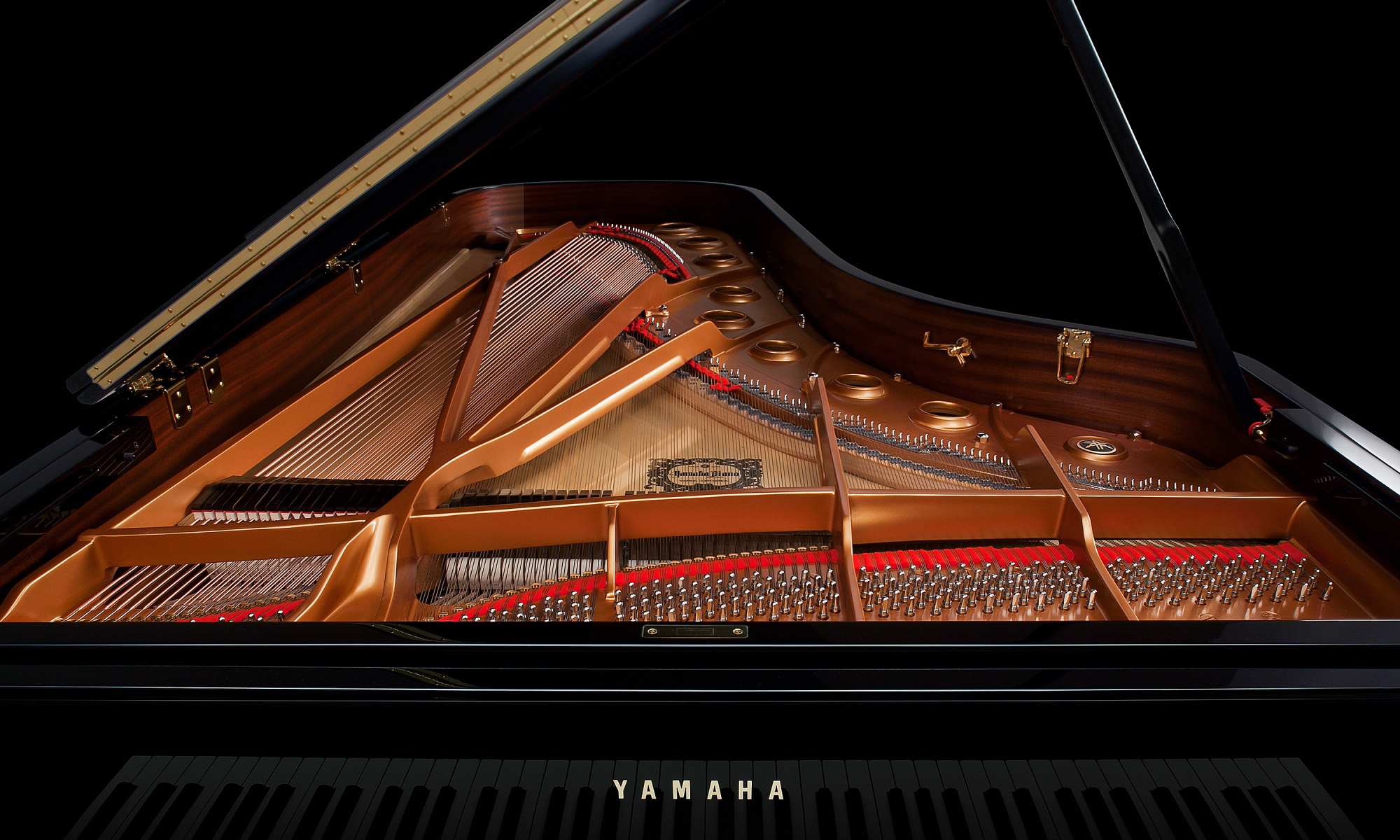
It's well over a century since our founder, Torakusu Yamaha, designed, crafted and constructed his first piano in Japan. Today, our pianos combine ground-breaking scientific understanding and jaw-dropping technologies. Our near-obsessive need to innovate and improve has been a part of our story since the beginning - but, at the start, our focus was on a very different type of keyboard instrument...
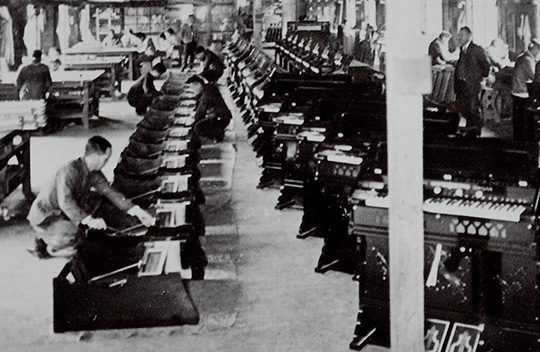
Reed organs create sound by pushing air past a metal reed; by using foot-driven bellows to create air movement and the now familiar keyboard to direct that air, an organist can play melodies and sustain notes or chords. Though often bulky, reed organs were relatively lightweight and affordable. They were introduced into Japan by Christian missionaries and played in church services.
In 1872, the reed organ's popularity in Japan was boosted when the government created the elementary school education system and chose the reed organ as the official instrument for music education. So began a golden age of the reed organ in Japan - and the start of our piano story.
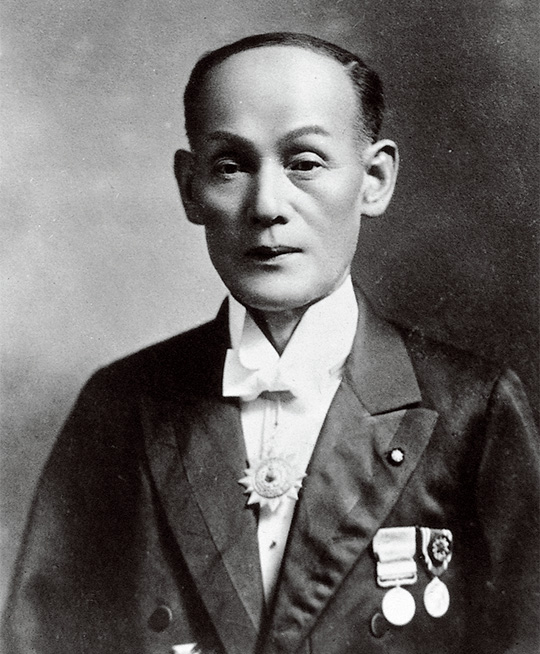
In the small town of Hamamatsu, Torakusu Yamaha had built up a well-earned reputation as a gifted engineer, having trained as a watchmaker in Nagasaki. In Hamamatsu, his primary work centred on repairing medical equipment but with limited work available, he regularly repaired watches for the townspeople. On one fateful day, Torakusu was asked to repair the reed organ in his local primary school.
He not only succeeded in repairing the organ but was inspired to design and create his own prototype - what would be the very first Japanese-made reed organ. Once the prototype had been completed, Torakusu was eager for feedback. He undertook a perilous 160 mile trek on foot across the mountains to Tokyo, carrying the reed organ over his shoulders to deliver it to the Music Institute (now called the Tokyo National University of Fine Arts and Music).
Despite the prospect of a Japan-made reed organ being welcomed by the professors at the Music Institute, Torakusu's prototype was flawed - particularly in its intonation. Determined to perfect its design, Torakusu persuaded the professors to allow him to attend lectures and study music and the theories of pitch, tuning and relative intonation at the institute.* In 1887, armed with a new, deep understanding of musical theory, he redesigned his reed organ and created a brand new prototype. So well received was the new instrument, Torakusu decided to start the Yamaha Organ Manufacturing Company – the first Japanese maker of a traditionally Western musical instrument.
*Today, we remember that strive and determination for excellence in our tri-tuning fork logo.
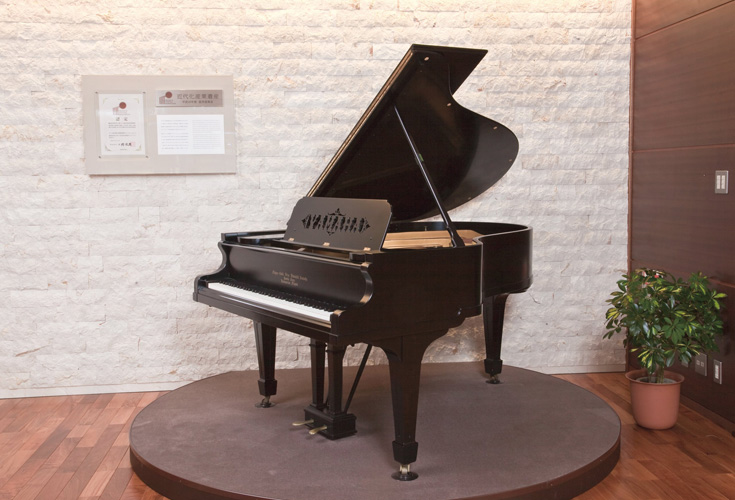
For a decade, the Yamaha Organ Manufacturing Company saw huge success - but the reed organ was beginning to face stiff competition. Upright pianos, originally developed in Europe, were more frequently being imported into Japan. Compared to the reed organ, the upright piano was smaller, often cheaper and - to many ears - sounded far better, with a versatility of expression simply not possible on a reed organ. As such, much as it was in Victorian England, the upright piano became a must-have addition to every Japanese household.
Much like the reed organ before it, upright and grand pianos were always imported - no one in Japan had ever tried to make a piano. Rather than seeing competition from the piano's popularity, Torakusu wanted to see if he could make a piano for Japan. And, with his firm's name feeling suddenly restrictive, in 1897 the Yamaha Organ Manufacturing Company became Nippon Gakki - 'Musical Instruments of Japan' - though Torakusu continued to put the Yamaha name on his instruments.
Torakusu revealed The very first Yamaha piano - and first ever Japanese piano - in 1900. An upright model, it was quickly followed by the first Yamaha grand piano in 1902. Torakusu had nurtured and developed an in-house team of metallurgists - and this meant that Nippon Gakki was able to forge and cast Torakusu's new and unique design for his pianos' cast metal frames.* The new design gave Yamaha pianos enhanced sustain capability and a bright, warm timbre which quickly caught the attention of visiting pianists.
So whilst, to begin with, Torakusu had made pianos purely for Japanese households and halls, in 1904 Yamaha pianos were being honoured at the St Louis World Fair. Before long, well-known European pianists were taking note of our instruments (among them such legendary artists as Arthur Rubinstein and Leo Sirota).
*It was this expertise in metallurgy and casting which allowed us to start making motorcycles from the late 1940s.
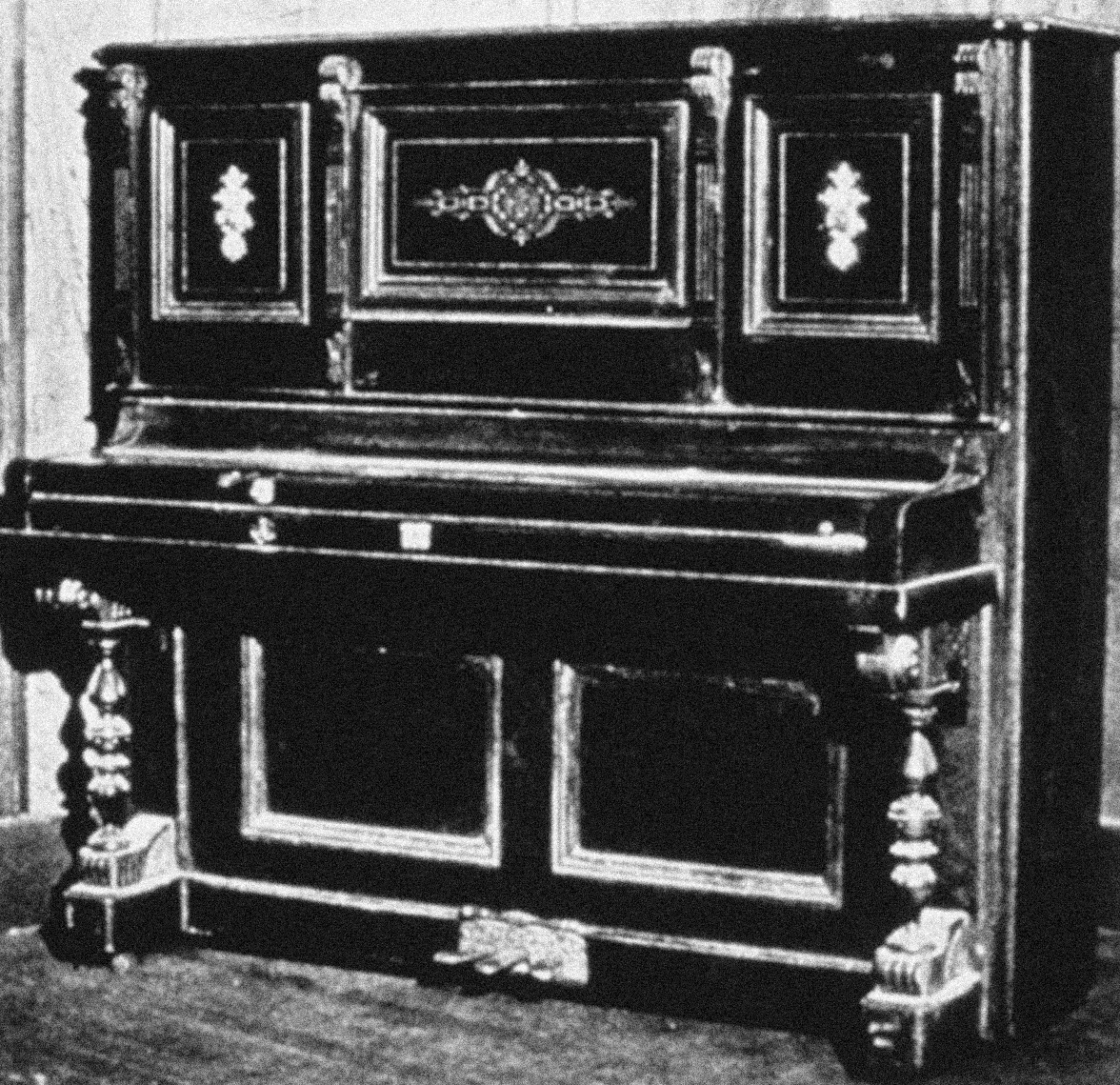
As had happened a century beforehand in Europe, the 1950s and 1960s saw a surge in the piano's popularity as a family instrument - and we were well-placed to accommodate.
Our design teams and craftsmen didn't stop pioneering; in the 50's, we developed various innovative piano-making technologies, such as the revolutionary kiln drying technique (which both drastically reduced the time needed to make a piano, and significantly improved the quality, reliability and consistency of the pianos). By 1966, we were making around 100,000 pianos a year - making us the world’s leading piano manufacturer.
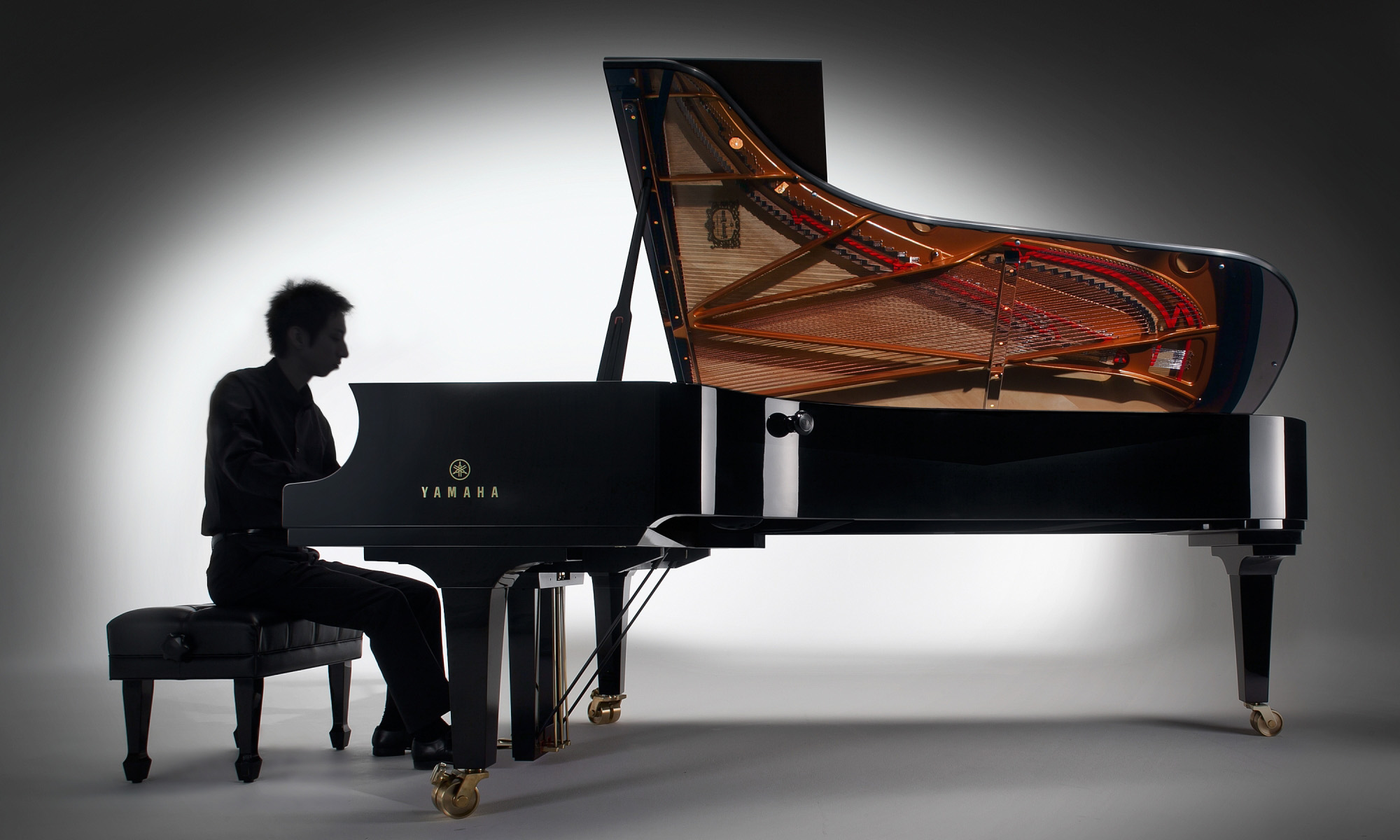
Today, the piano remains an integral part of music - with duties stretching from classical to Jazz, to Rock 'n' Roll and to pop, thanks to its incredible versatility. As such, the classic looks and distinctive rich tone of our pianos are frequently seen and heard in today's concert halls, recording, radio and rehearsal studios, places of worship and also in Conservatoires and schools around the world.
Many of the world's most discerning artists, students and professional players choose and recommend Yamaha pianos, including Elton John, Jools Holland and Jamie Cullum, whilst our legendary concert grand pianos are the centrepiece of many of the world’s most prestigious concert venues.
We're proud to make pianos to suit all players, whether you're shopping for a premium acoustic grand piano, such as the Yamaha C1X, or a high quality upright piano for a beginner (such as the Yamaha b2E model).
When space or budget don't quite stretch to an acoustic piano, our acclaimed digital piano models are the answer. From the super-portable P-121 piano to the ground-breaking N3X AvantGrand baby-grand, we've used our expertise in acoustic piano making to ensure all our digital pianos sound and feel as realistic as possible.
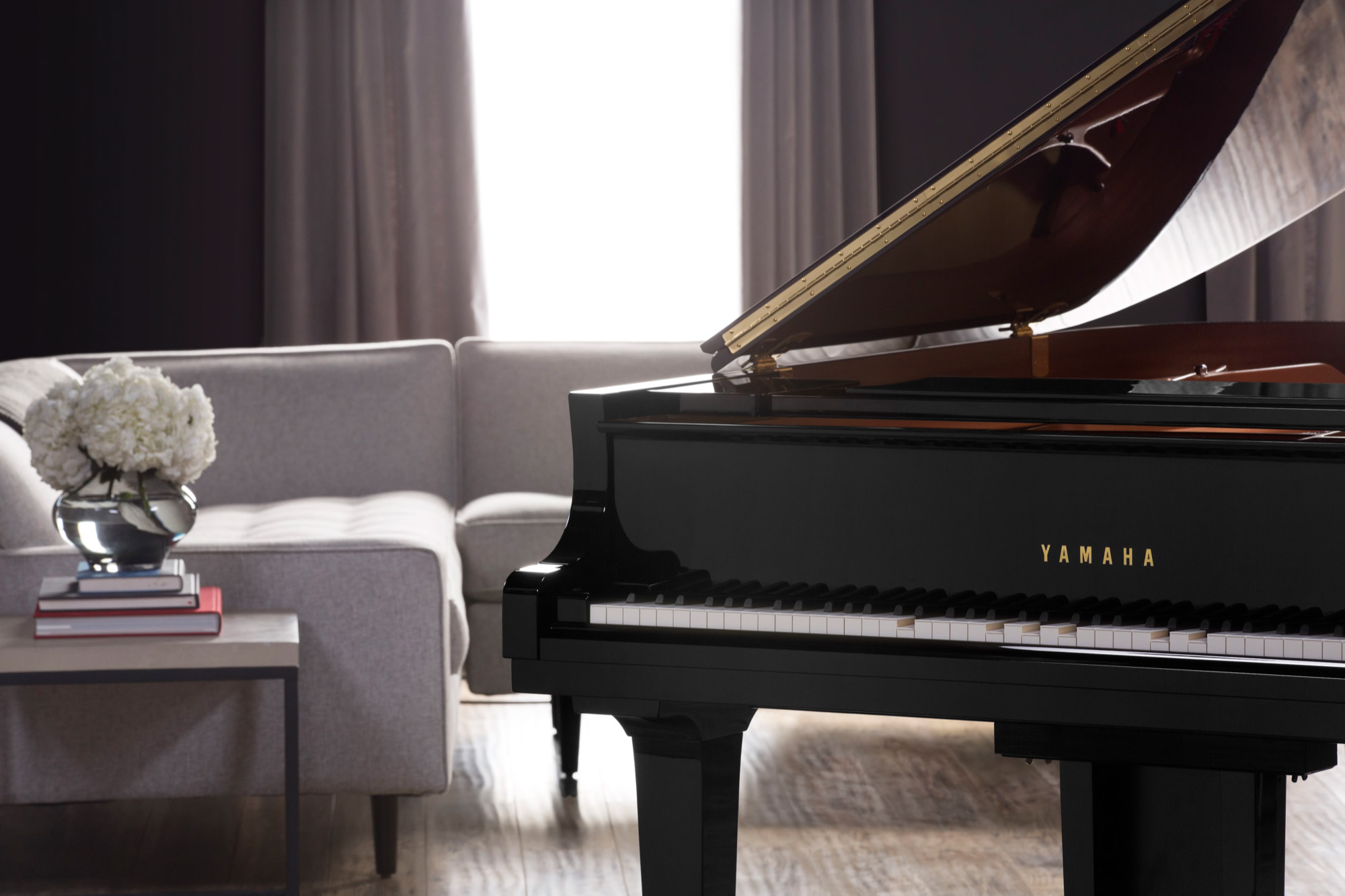
Since Torakusu's pioneering work over 130 years ago, we've not stopped asking ourselves how the piano could be even better, how it can better serve musicians of today and of the future - and, ultimately, how it can better contribute to the difference music makes to people everywhere.
And those questions have already led us to develop some truly astounding pianos...
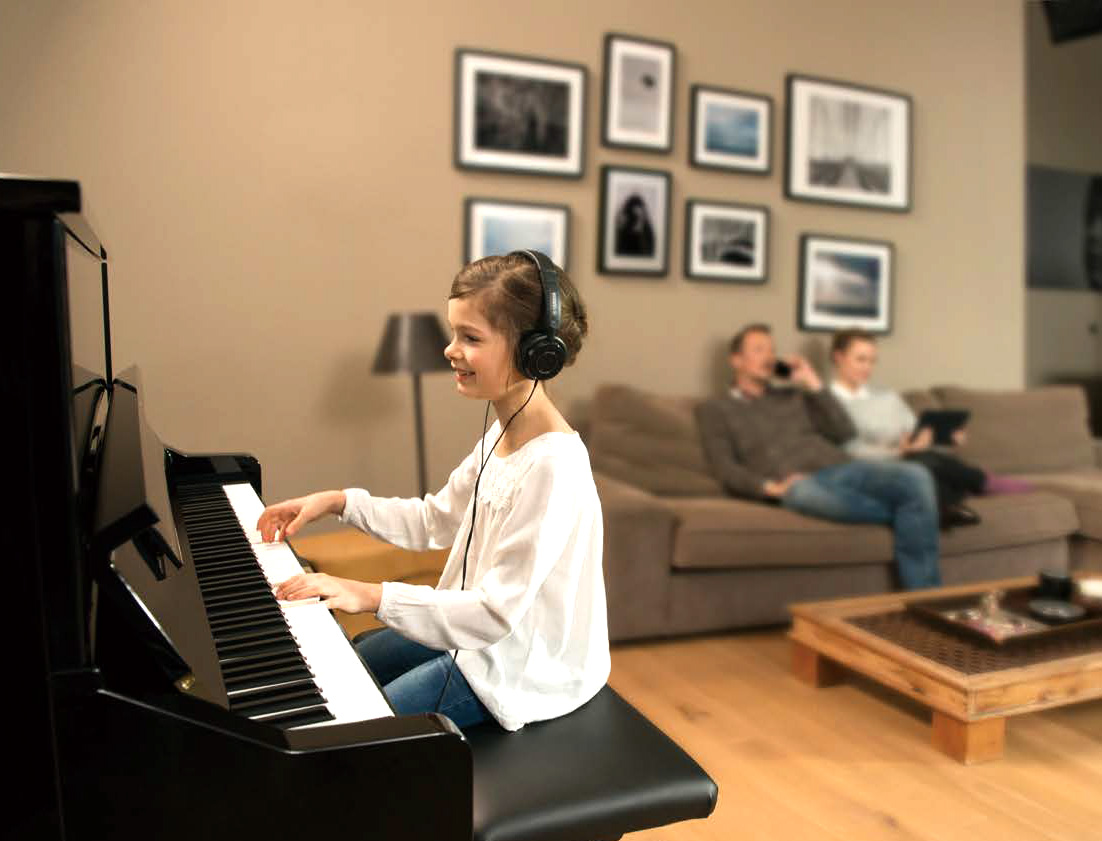
Sometimes, the only time you have free for playing piano is when everyone else is asleep - which ordinarily, wouldn't be a great time for practising (if you value a harmonious home atmosphere).
Our Silent Pianos are different. True acoustic instruments (complete with soundboard, strings and hammers), they create sound in the same way as our normal acoustic pianos do... unless it's not appropriate. Don a set of headphones, press down the middle pedal and the piano switches to Silent-mode - with the sound only audible to you.
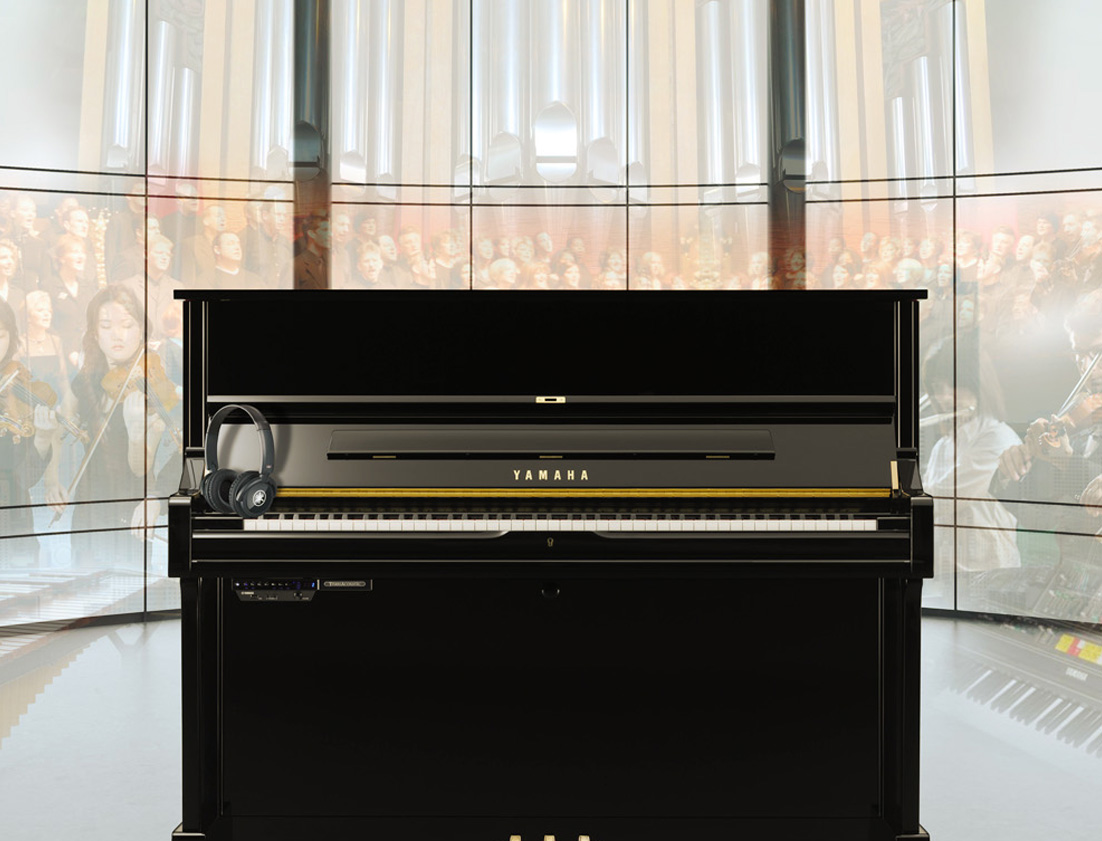
Every piano has a character - and some characters better suit certain pieces of piano music. Ordinarily, we wouldn't be able to change the piano's character without changing the piano itself. But what if you could?
Our TransAcoustic TA2 pianos make it possible to do just that. By sculpting the natural resonance of its soundboard (and without any speakers), a TransAcoustic TA2 piano can allow you to change from the warm, bright tone of a Yamaha piano to the deep, mellow tone of a Bösendorfer - with a single button press.
It's the future of the acoustic piano - and it's here now.
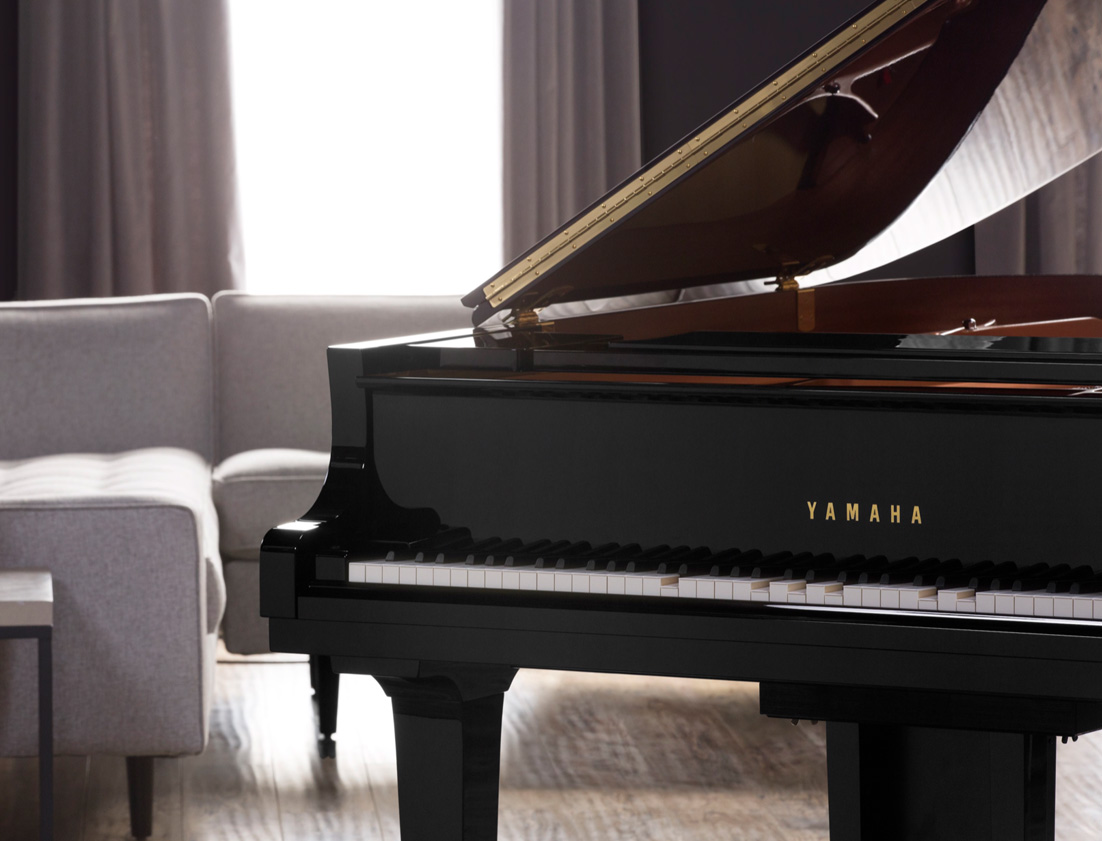
It can be hugely relaxing listening to someone play piano, live in person. But if you're the only pianist in the household, you probably don't get to sit back and just listen. What if the piano could play for you?
Our Disklavier Pianos make this possible. Tune into one of our many Disklavier Radio channels and the Disklavier Piano will perform every piano note of every track absolutely live - complete with moving keys, moving pedals, moving hammers and vibrating strings. It's the closest thing to having a line-up of world-class pianists in your own home.
If you're in the London area, a visit to the Yamaha Piano Hall upstairs at 152-160 Wardour Street is a must. With a range of upright, grand, pure acoustic and hybrid models ready to try, it's an unforgettable experience.