Many of us begin our New Year’s resolutions with the best of intentions but, by February and March, many of us feel we're lagging behind and by the end of the year, we've often stopped or are right back where we started.
Learning to play a musical instrument can be one of the most rewarding, motivating and social past-times - but we often set ourselves up to fail. There can be many different reasons why - a lack of time, not having enough motivation (when you do have spare time) and not getting on with your teacher are often-cited reasons for stopping.
We have EIGHT tried-and-tested tips to help you overcome any obstacles so that 2018 will be the year you transform from a beginner into a musician.
It's essential to manage your expectations and be realistic about what's achievable. It will always take time before you feel you're making real progress - and remember that the learning curve for each instrument is very different. Learning to strum a simple set of chords on a guitalele will take less time than learning a simple melody on the clarinet.
This is absolutely normal - don't be discouraged; learning a brand new skill always takes time.
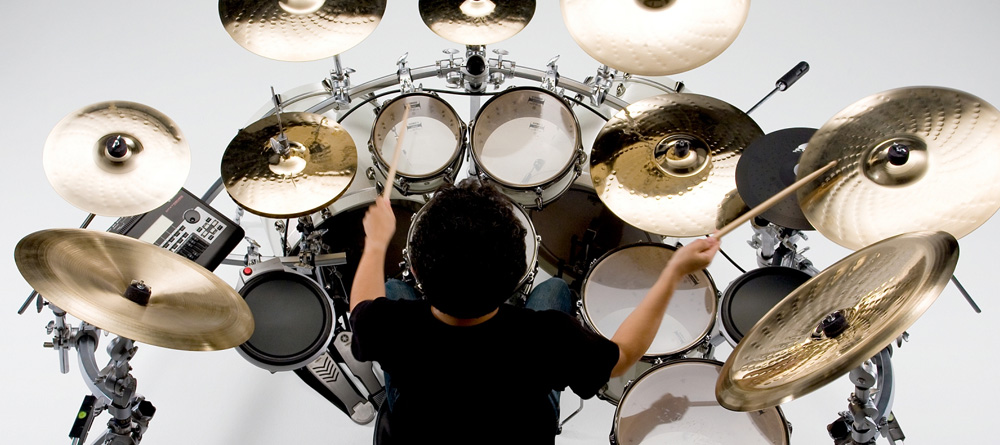
If you don't really love your choice of instrument, you're unlikely to stick with it. Try not to compromise if you don't have to; learning a musical instrument requires you to invest your valuable time (and often some budget), so choose an instrument associated with the style of music that you'd most enjoy playing. What genre of music do you like listening to? For example, if acoustic folk is your thing, then drums might not be for you. Similarly, if you're into metal, piano probably wouldn't be your first choice.
Keep your physique in mind. If you don't like the sound of hoisting something heavy, don't try to play a double bass. If you're not confident about your lung capacity, think twice about the trumpet.
Some instruments lend themselves to a wider range of scenarios than others. Wanting to play and sing at the same time? A digital piano or a guitar might be the best option.
Many instrument ranges include models ranging in price, but be aware that some instruments are innately more costly to craft or manufacture and so can be significantly more expensive than others to purchase. Keep a budget in mind, but also be aware that there are often ways to make more expensive instruments more affordable (such as using a finance plan).
Don't compromise on quality - learning on a poorly made, very old or poorly maintained instrument will often end in frustration as you'll need to compensate for the instrument at the same time as trying to learn. If using an old instrument, make sure it's in tip-top shape before beginning to learn. If buying a new instrument, avoid low-cost options; cheap orchestral instruments are often poorly-crafted (leading to erratic behaviour or tonality) whilst cheap digital instruments may lack important features or sound quality.
All Yamaha instruments - whether designed for beginners or for professionals - are made to extremely high standards to avoid these pitfalls.
Many new learners get frustrated and give up because the goal they have set is too big. Don’t expect to learn to play a recognisable song on the first day - learning to play music takes the accumulation of techniques and practice which build the foundations of your new abilities.
As with other New Year resolutions, set a clear goal. For example, a resolution to lose weight is more likely to be successful if you set a clear objective such as "I want to lose 10lbs”. Likewise, when learning a new instrument, define what you want to do and learn. Do you want to learn a specific tune? Do you want to become proficient or do you want to become a professional musician? Set smaller, bite-sized targets and reward yourself as you reach each goal.
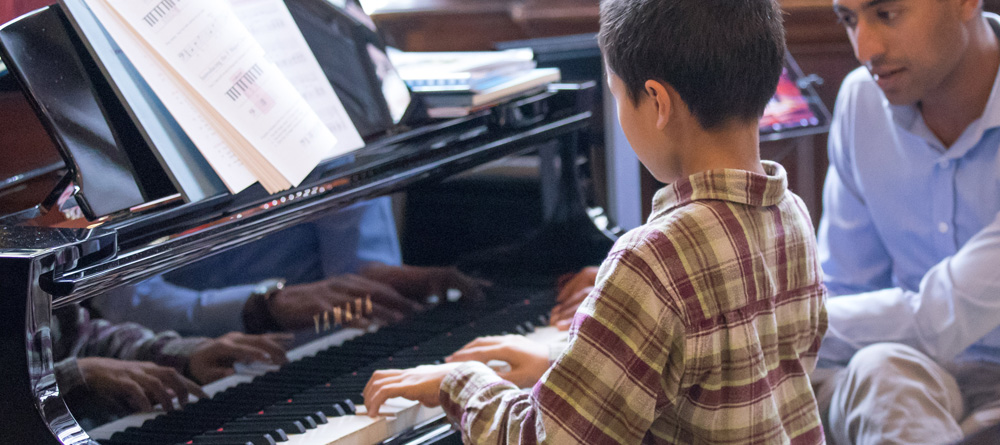
We cannot stress enough how crucial it is to find the right teacher for you. The right teacher will have a balance of fun and discipline which works for you, and their approach will enthuse you, pitch lessons to encourage and extend your abilities and help build your confidence.
Chat with a few teachers and see if you engage with each other. It’s not unknown for teachers to interview their pupils and their parents too if the pupil is school age and politely decline taking them on if the teacher feels they do not 'fit' with each other.
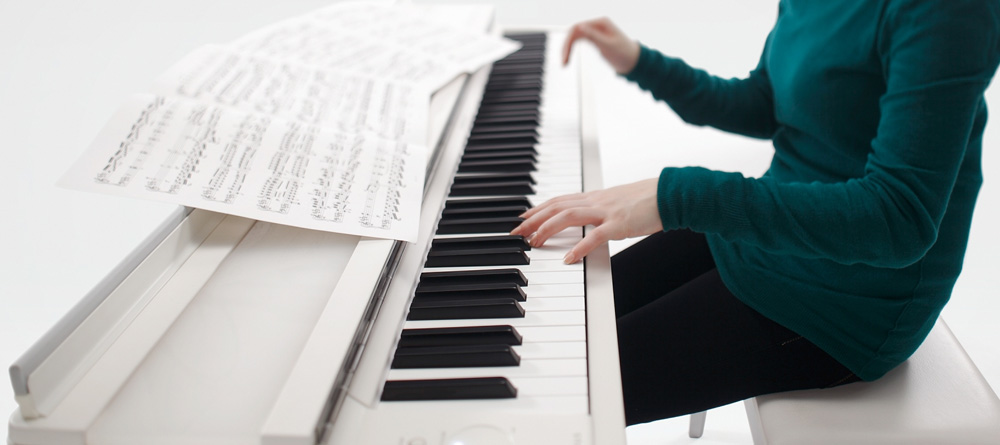
Unfortunately, there are no short cuts; learning to play needs regular and consistent practise, ideally several times a week. To become a concert-standard virtuoso usually requires an enormous commitment in time (several hours every day); far less time is required to learn the basics.
If you're worried about not having enough practise time, your teacher can guide you on how (and what) to practise in order to progress to your goals (even with as little as 15 minutes a day). Your teacher can create a learning programme that will mix up different exercises and scales so that you have something interesting and different to concentrate on every day. One busy mum with a demanding toddler managed to squeeze in quarter of an hour of focused practise every day and passed her Grade 1 piano exam with distinction.
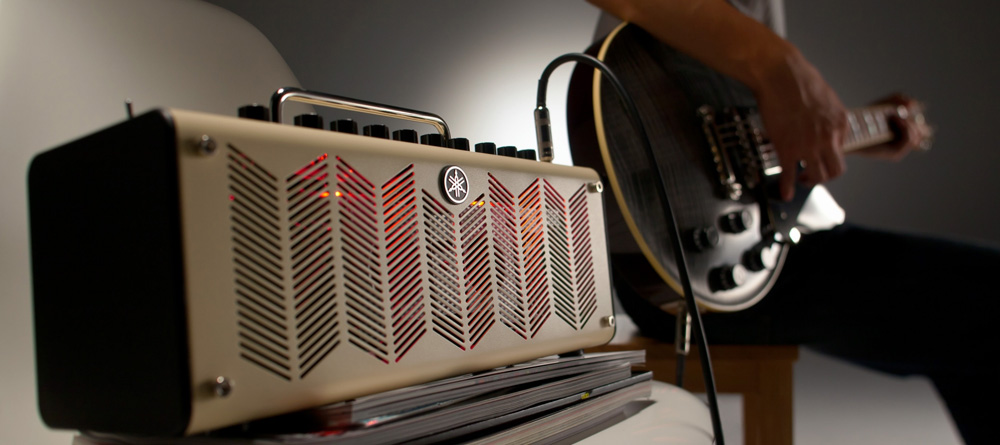
If you have a busy routine, finding time to practise may always be a bit of a challenge. It's made much, much easier if you have your own dedicated music space already set up at home; you can keep music stands and books out ready and have everything close to hand. It means that whenever you find yourself with a few spare minutes, you can start practising immediately.
When space is at a premium, clear a corner or alcove, under the stairs or in the garage. Anywhere that's warm, comfortable, safe and easily accessible.
Once you've created your music area, let friends and family know that you have a certain practise time when you won’t be available... and keep to it!

Don't believe the old adage that learning an instrument is much easier for a child than it is for an adult. While children have some brain plasticity that means they form new neural pathways more easily than adults, older beginners are generally better at practising, more disciplined at managing time and usually take things seriously (especially when a financial commitment is involved). Adults are also more likely to really love and appreciate the instrument they've chosen.
For both adults and children, research indicates that learning to play a musical instrument can have a significant positive effect on other activities - whether it be other lessons in school or performance in the workplace.
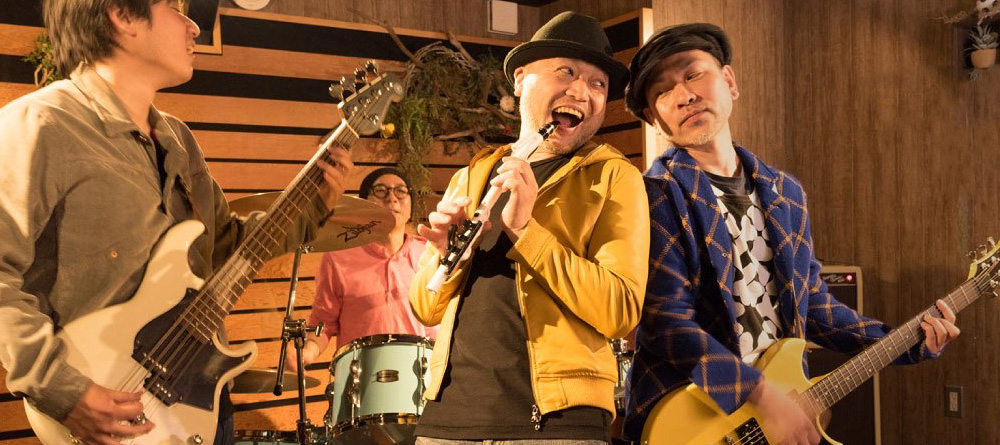
Think of your practise and learning sessions as fun. Everyone makes mistakes especially when you are learning something new. Remind yourself that learning a new skill takes time and enjoy it.
Today, there are new ways to make learning to play more interesting. From recording yourself on an iPhone, to using YouTube and music streaming services to play along with a backing tracks - or, in the case of our home keyboards and digital pianos, having access to a whole orchestra of sounds in your living room.
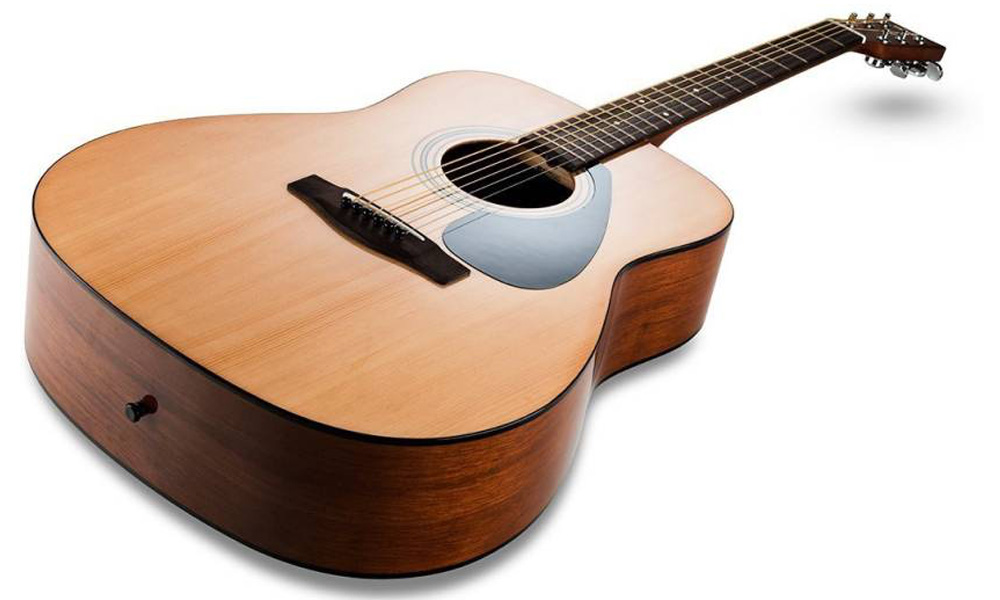
Everything you need to get started at an amazing price. The Yamaha F310 is the perfect acoustic guitar for beginners, offering outstanding quality and great value.
Our legendary build-quality ensures that the guitar is set up with the same care and exacting spec' as our professional models played by your guitar heroes. Not only does it sound great, it has classic looks too!
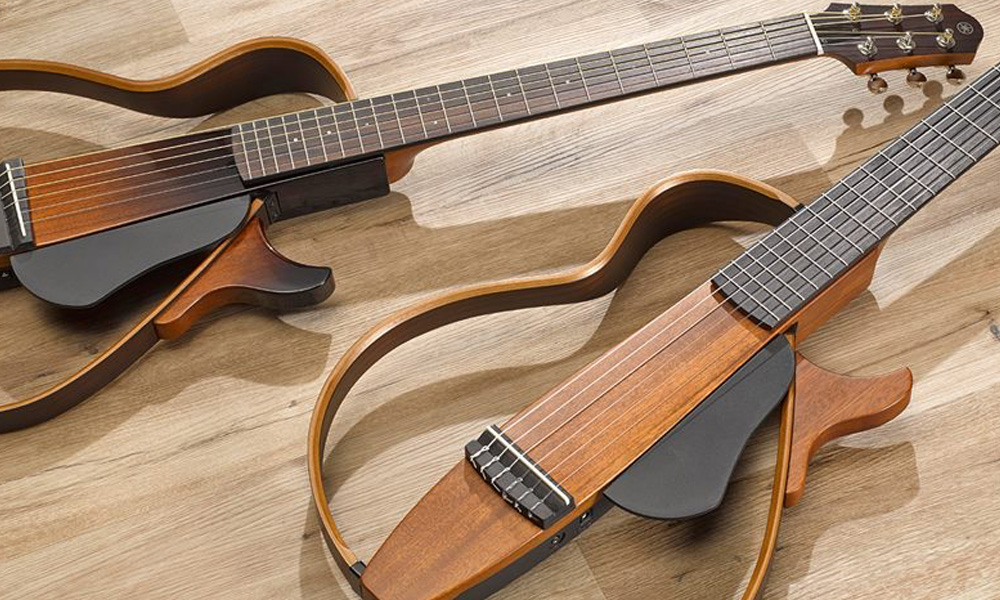
There’s no need to worry about disturbing the neighbours. Our Silent Technology allows brass players, drummers, guitarists, violinists, pianists and keyboard players of all levels to practice almost anywhere, anytime. Instruments can be played virtually silently with headphones without disturbing your flatmates or family.
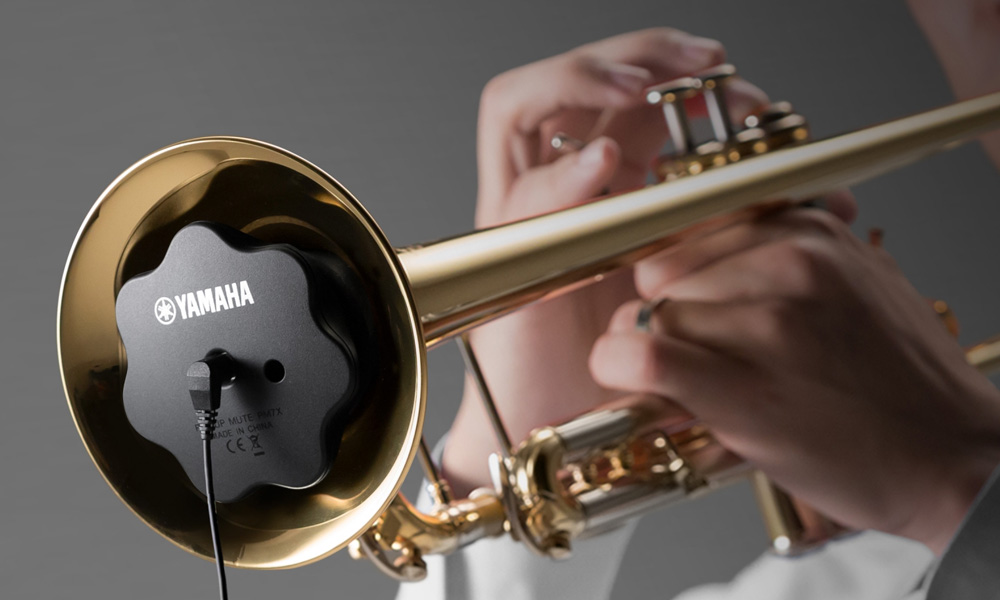
Although the audible sound to those around you is barely a whisper, through headphones you’ll hear the full, rich tone you'd expect - often with atmospheric simulation to put you in a virtual concert hall with a choice of settings. On most Silent Instruments, play-along practise is made easy via an iPhone or iPad input, allowing you to play with your own music library.
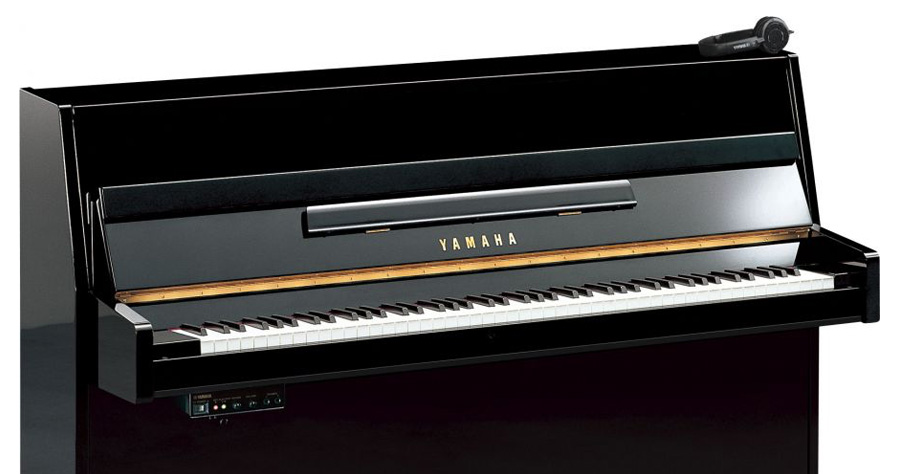
The b1 Silent upright piano is a fantastic choice where space, budget and neighbours are a concern but you don't want to compromise on the authentic sound and touch of a real piano.
This b1 piano features our remarkable Silent Technology which allows you to switch between playing audibly (as with a normal piano) and playing with headphones - silent to the everyone around you - any time of day or night
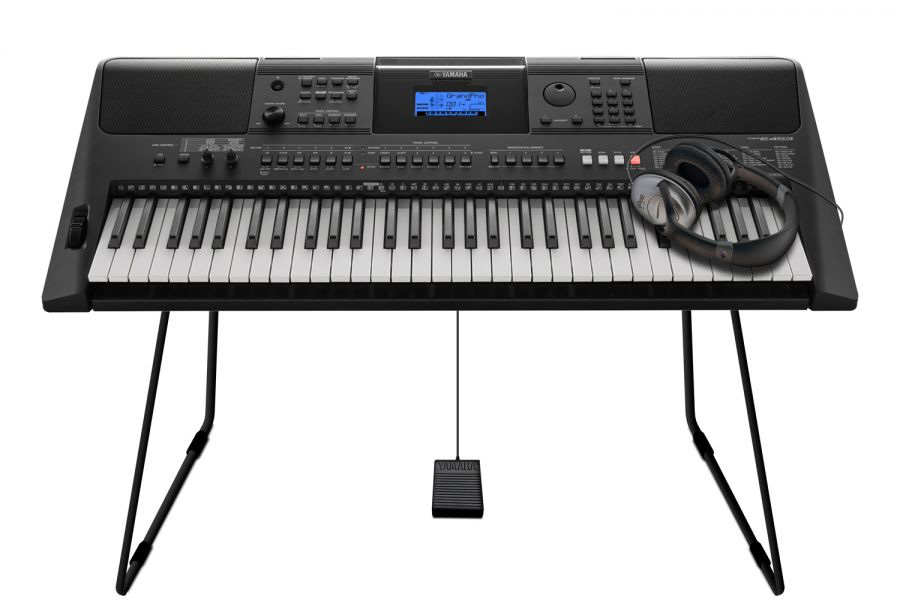
The perfect all-rounder; the PSR-E453 can be at your fingertips from your first lesson all the way up to your first writing or recording session.
For new starters, it includes the Yamaha Education Suite - a practise aid to help with note and chord recognition between lessons.
For advanced players, it features an on-board multi-track recorder, realtime synthesis controls and a built-in USB Audio/MIDI link for iOS, macOS and Windows - so it's perfect for GCSE or A Level composition or Music Production duties.
And whichever level you're currently at, the PSR-E453 offers a vast range of exciting and realistic sounds and backing accompaniments, along with easy-to-use controls.
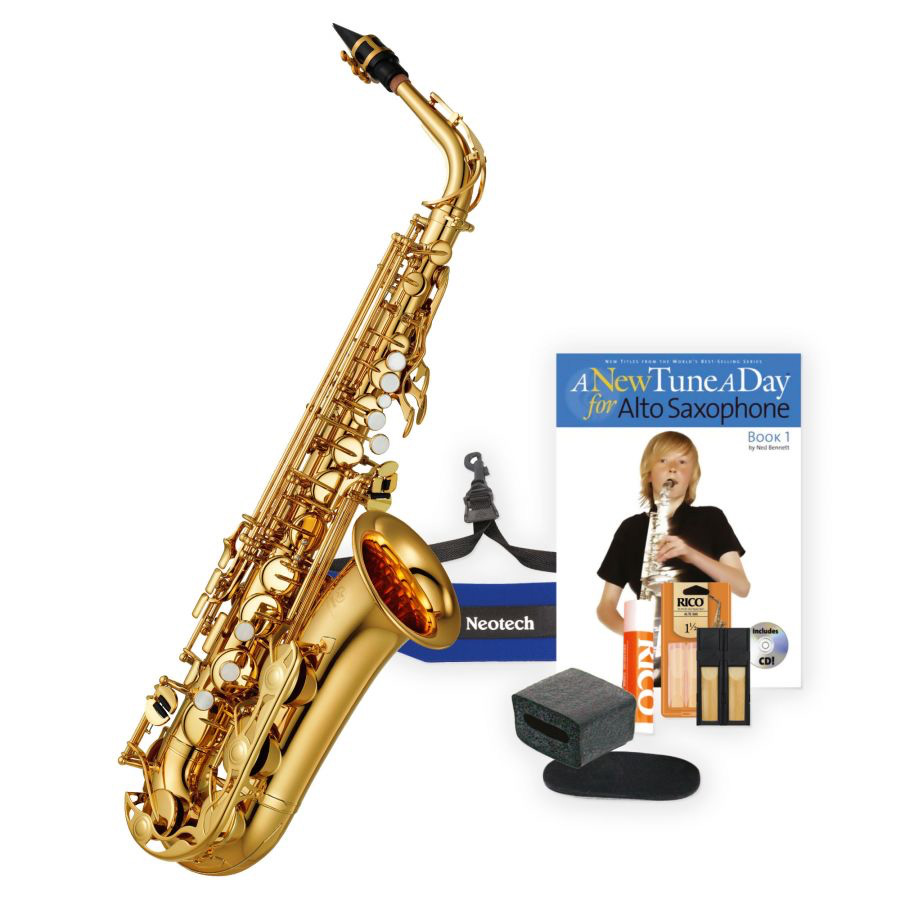
We're proud to make some of the world's best saxophones, played every day by some of the world's most famous and exciting saxophonists.
But we're equally proud to make affordable saxes, designed for beginners and students, which share and inherit the hallmarks of our flagship models - including our famous levels of craftsmanship, consistency of tone and overall playability.
The YAS-280 Alto Saxophone pack includes all you need to get started.